
Hash
Cannabis Resin (Hash) for Medicinal Use Australia | Patient Guide | Auscare Store Sydney
Feb
The story behind
Introduction
The term medicinal cannabis describes a range of cannabis preparations intended for therapeutic use under medical supervision . Among these preparations is cannabis resin, commonly known as hash or hashish a concentrated form of cannabis made from the resin glands (trichomes) of the cannabis plant.
For Australian patients exploring treatment options, understanding what cannabis resin is, how it differs from other cannabis products, and the legal framework surrounding its use is essential. This guide provides comprehensive, educational information about cannabis resin for medicinal purposes in Australia.
What Is Cannabis Resin (Hash)?
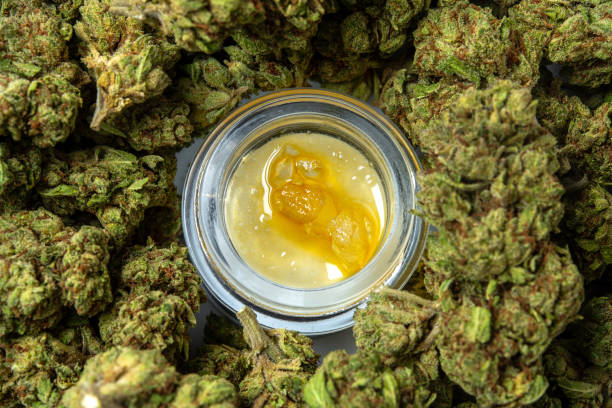
Cannabis resin, commonly referred to as hash or hashish, is a concentrated cannabis preparation made by compressing the trichomes (resin glands) of the cannabis plant. These trichomes contain the highest concentrations of cannabinoids the active compounds responsible for therapeutic effects .
According to the Therapeutic Goods Administration (TGA), medicinal cannabis products include:
-
Pharmaceutical cannabis preparations (oils, tinctures, and other extracts)
-
Untreated cannabis (raw and dried cannabis)
-
Cannabis resin (hashish)
-
Natural and synthetic cannabinoids
The key distinction between cannabis resin and other forms lies in its concentration. Because it is made from the resin glands only, hash typically contains higher levels of cannabinoids compared to raw cannabis flower, potentially offering different therapeutic profiles for eligible patients.
Legal Status of Cannabis Resin in Australia
Federal Regulation
In Australia, cannabis resin is classified as a Schedule 8 (S8) controlled substance when prepared or packed for human therapeutic use . This classification places it in the same category as other prescription-only medicines with strict controls.
The Poisons Standard explicitly includes in Schedule 8:
CANNABIS (including seeds, extracts, resins and the plant, and any part of the plant) when prepared or packed for human therapeutic use
This means cannabis resin can only be accessed legally with a valid prescription from a registered medical practitioner, through approved TGA pathways .
What About Cannabis Resin for Non-Medicinal Use?
For non-therapeutic purposes, cannabis and its resin remain prohibited. Schedule 9 of the Poisons Standard lists TETRAHYDROCANNABINOLS and their alkyl homologues as prohibited substances, except when included in Schedule 4 or Schedule 8 for medicinal use . This reinforces that legal access is strictly for therapeutic purposes under medical supervision.
How Is Cannabis Resin Different from Other Medicinal Cannabis Products?
| Product Type | Description | Typical Cannabinoid Profile |
|---|---|---|
| Cannabis Flower | Dried cannabis plant material | Variable; contains both cannabinoids and plant material |
| Cannabis Oils | Extracts suspended in carrier oil | Standardized concentrations |
| Cannabis Resin (Hash) | Compressed trichomes | Highly concentrated; minimal plant material |
| Capsules | Pre-measured doses in oral form | Consistent, standardized |
| Topicals | Creams and balms for local application | Variable absorption rates |
The main difference with cannabis resin is its concentration and purity. Because it isolates the resin glands, patients may require smaller volumes for desired effects. However, this also means careful dosing is essential under medical supervision.
Legal Access Pathways for Medicinal Cannabis in Australia
Australian patients cannot simply walk into a dispensary and purchase cannabis resin. The legal framework requires several steps:
Step 1: Consultation with a Medical Practitioner
Your doctor must have appropriate qualifications and/or expertise to treat the condition for which the proposed product would be used . If your doctor is not a specialist, the TGA may request a report from an appropriate treating specialist.
Step 2: TGA Approval Pathways
There are two primary mechanisms to access unapproved medicinal cannabis products :
| Pathway | Description | Suitable For |
|---|---|---|
| Special Access Scheme (SAS) | Case-by-case approval for individual patients | Most patients accessing medicinal cannabis for the first time |
| Authorised Prescriber (AP) | Practitioner granted authority to prescribe to specific patient classes | Ongoing treatment for specific conditions |
The TGA decision timeframe is generally around 2 working days once all relevant information is provided by your medical practitioner .
Step 3: State and Territory Approval
Depending on the product, both Commonwealth and state/territory approval may be required . Your doctor should confirm local requirements with your state/territory health department.
In New South Wales, prescribers must ensure compliance with local regulations, including checking SafeScript NSW for any other Schedule 8 medicines being supplied to the patient.
Step 4: Dispensing at a Licensed Dispensary
Once approved, your prescription can be dispensed at a licensed pharmacy or dispensary such as Auscare Store Sydney. The product will be supplied in accordance with all regulatory requirements.
Important: Unapproved Products and Informed Consent
Most medicinal cannabis products in Australia, including cannabis resin preparations, are unapproved therapeutic goods. This means:
-
They have not been evaluated by the TGA for quality, safety, and efficacy
-
Your doctor must inform you that the product is not approved in Australia
-
You should be informed of possible benefits, risks, and side effects
-
Available alternative treatments using approved products should be discussed
-
Your doctor must obtain your informed consent in writing before applying to the TGA
Quality Standards for Cannabis Resin Products
TGO 93 Compliance
All medicinal cannabis products imported into or supplied in Australia must conform with the Therapeutic Goods (Standard for Medicinal Cannabis) Order 2017 (TGO 93) . This standard specifies minimum quality requirements, including:
-
Source requirements: All active ingredients and cannabinoids must be manufactured from the cannabis plant only
-
Identification testing: Every batch must undergo macroscopic, microscopic, and chromatographic examination
-
Contaminant limits: Heavy metals, pesticides, and microbial contaminants are strictly regulated
-
Decontamination: Ethylene oxide cannot be used for decontamination; gamma irradiation may be used if quality is maintained
Testing Requirements
The Office of Drug Control (ODC) provides guidance on testing of cannabis, cannabis resin, and products manufactured from them . Licensed manufacturers and sponsors must ensure:
-
Testing against quality specifications
-
Appropriate licences from state/territory health departments
-
Complete records of all testing activities
Which Medical Conditions May Be Treated with Medicinal Cannabis?
The TGA imposes no restrictions on the indications for which a health practitioner may apply to access an unapproved medicinal cannabis product . However, conditions commonly treated with medicinal cannabis in Australia include :
| Condition | Notes |
|---|---|
| Chronic pain | Including neuropathic pain |
| Anxiety and PTSD | Mostly studied with CBD-dominant products |
| Insomnia and sleep disorders | Some evidence for THC-containing products |
| Multiple sclerosis | Spasticity symptoms |
| Chemotherapy-induced nausea | Well-established evidence |
| Epilepsy and seizure disorders | CBD-dominant products studied |
It is the responsibility of the prescriber to determine whether the specific product is suitable for the condition being treated based on clinical justification and evidence .
Can I Personally Import Cannabis Resin Products?
No. Personal import of medicinal cannabis products is subject to strict controls including import permit requirements from the Office of Drug Control and applicable state and territory requirements . Patients cannot import cannabis resin for their own use.
All legally accessed medicinal cannabis must be obtained through Australian prescribers and dispensed by Australian-licensed pharmacies or dispensaries.
Driving and Medicinal Cannabis
Important: In all Australian states and territories except Tasmania, it is unlawful to drive with any detectable THC in your system even if prescribed for medicinal purposes.
-
In NSW, this is an absolute liability offence no medical defence exists
-
Penalties include fines up to $2,200, automatic licence disqualification (minimum 6 months), and a criminal conviction
Patients using THC-containing products like cannabis resin should not drive and should discuss transport options with their doctor.
