

Benzos
Understanding Novel Benzodiazepines (NBZs): A Public Health Update
Feb
A brand new way
Educational Information for Australian Patients and Healthcare Professionals
Introduction
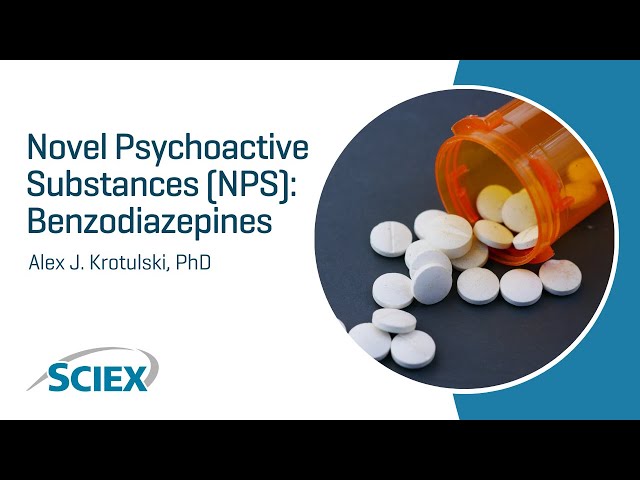
In recent years, Australian health authorities have reported a significant increase in the detection of novel benzodiazepines (NBZs) unregulated benzodiazepine analogues not approved for medical use in Australia . These substances, often sold as counterfeit pharmaceuticals mimicking brand-name medications like Xanax®, pose serious public health concerns due to their unpredictable potency, variable composition, and association with overdose deaths .
This educational guide provides an evidence-based overview of NBZs in Australia, including current detection data, health risks, clinical management considerations, and harm reduction strategies. This information is intended for educational purposes only and is designed for patients, healthcare professionals, and researchers seeking to understand this emerging public health challenge.
Important: Auscare Store is a licensed medicinal cannabis dispensary in Sydney. We do supply or endorse the use of regulated substances, including novel benzodiazepines. This information is provided solely for educational purposes.
What Are Novel Benzodiazepines (NBZs)?
Novel benzodiazepines (NBZs) refer to unregulated benzodiazepine analogues that are not approved for therapeutic use in Australia and are typically illicitly manufactured . While they share similar chemical structures with prescription benzodiazepines and target the same GABAA receptors in the brain, NBZs often demonstrate:
-
Greater potency than pharmaceutical benzodiazepines
-
Longer durations of effect leading to prolonged sedation
-
Unpredictable pharmacokinetics making dosing extremely hazardous
-
Variable composition between batches even within the same tablet
Unlike regulated pharmaceuticals, NBZs are not subject to quality control, meaning consumers have no way of knowing the actual contents, dose strength, or potential contaminants in these products.
How NBZs Differ from Prescription Benzodiazepines
| Feature | Prescription Benzodiazepines | Novel Benzodiazepines (NBZs) |
|---|---|---|
| Regulatory Status | TGA-approved, Schedule 4 or 8 | Unregulated, illicitly manufactured |
| Quality Control | Strict GMP standards | None—composition varies widely |
| Dose Consistency | Standardised and verified | Highly variable, even within same batch |
| Potency | Well-characterised | Often more potent than expected |
| Medical Supervision | Required | None |
| Source | Licensed pharmacies | Unregulated markets, counterfeit products |
Current Situation: NBZ Detections in Australia
Rising Detection Rates
According to a comprehensive narrative review published in Drug and Alcohol Review (January 2026), detections of novel benzodiazepines in Australia have increased markedly over the last five years . Between 2020 and 2025, NBZs were frequently detected across multiple data sources including:
-
Emergency department presentations
-
Forensic toxicology testing
-
Coronial investigations
-
Drug checking services
Notably, 23 NBZ-related public health alerts were issued across Australia during this period, with nearly half (n=11) issued between January and June 2025 alone indicating accelerating public health concern .
Most Commonly Detected NBZs in Australia (2020-2025)
Analysis of Australian peer-reviewed literature and drug alerts identified the following NBZs as most frequently detected :
| NBZ Compound | Key Characteristics |
|---|---|
| Etizolam | A thienodiazepine, one of the earliest NBZs detected in Australia |
| Clonazolam | Extremely potent; associated with profound sedation and amnesia |
| Clobromazolam | Long-acting; detected increasingly in 2022-2023 |
| Bromazolam | Became prominent in 2022-2023; often found in combination products |
| Flualprazolam | Fluorinated analogue of alprazolam; highly potent |
| Flubromazolam | Long-acting and potent; detected in combination with etizolam |
Victorian Overdose Death Data
A study using the Victorian Overdose Deaths Register analysed NBZ-involved overdose deaths between January 2009 and December 2023 . Key findings include:
-
140 NBZ-involved overdose deaths identified in Victoria
-
Significant increase from 2019 onward
-
77 deaths (55%) involved a single contributing NBZ
-
63 deaths (45%) involved multiple NBZs
-
All 140 deaths involved at least one other drug in addition to NBZs
The most frequent contributing NBZs in Victorian deaths were :
| NBZ Compound | Number of Deaths Involved |
|---|---|
| Etizolam | 60 |
| Bromazolam | 39 |
| Clonazolam | 34 |
| Flualprazolam | 33 |
| Clobromazolam | 21 |
Temporal Patterns in NBZ Detections
A striking finding from Victorian data is that NBZ-involved deaths tend to occur in temporal clusters corresponding to specific compounds circulating in unregulated drug markets :
-
2019-2021: Etizolam-related deaths predominated
-
2021-2022: Flualprazolam and clonazolam deaths emerged
-
2022-2023: Bromazolam and clobromazolam combinations became prominent
This pattern reflects the transient nature of unregulated drug markets, where compounds appear, circulate for a period, and are then replaced by new substances .
Why Are NBZs a Public Health Concern?
1. Unpredictable Potency and Effects
NBZs are often significantly more potent than their pharmaceutical counterparts. For example, clonazolam has been reported to be active at doses as low as 0.5mg far lower than typical alprazolam doses . Consumers who believe they are taking a standard pharmaceutical product may inadvertently consume dangerously high doses of potent NBZs.
2. Counterfeit Products and Misrepresentation
Perhaps the most concerning aspect of NBZs is that they are frequently sold as counterfeit pharmaceuticals tablets designed to mimic brand-name medications like Xanax® . A coronial review found that where evidence was available regarding what substance the deceased had consumed, overwhelmingly the substance was a tablet described as a ‘Xanax’, ‘street Xanax’, or ‘Xannie’ .
These counterfeit products may:
-
Contain unknown NBZ compounds
-
Have inconsistent dosage (even within the same batch)
-
Contain multiple different NBZs in a single tablet
-
Include other drugs such as opioids
3. Polydrug Use and Overdose Risk
All NBZ-involved deaths in the Victorian study involved at least one other drug in addition to NBZs . This highlights the extreme danger of combining NBZs with:
-
Opioids (including heroin and pharmaceutical opioids)
-
Alcohol
-
Other central nervous system depressants
-
Stimulants
The combination of NBZs with opioids is particularly hazardous, as both drug classes cause respiratory depression, with effects that are synergistic rather than merely additive.
4. Limited Pharmacological Data
Health responses to NBZs are hindered by limited pharmacological data on rapidly evolving compounds . Unlike pharmaceutical benzodiazepines, which have undergone extensive clinical testing, NBZs emerge on unregulated markets with little to no scientific information about their:
-
Potency and duration of action
-
Metabolic pathways
-
Toxicity profiles
-
Interaction with other drugs
5. Detection Challenges
Standard toxicology screening may not detect all NBZ compounds, as they are chemically distinct from pharmaceutical benzodiazepines . This creates challenges for:
-
Emergency departments managing acute toxicity
-
Forensic investigations of overdose deaths
-
Drug checking services attempting to identify substances
6. Severe Withdrawal and Dependence
Like pharmaceutical benzodiazepines, NBZs carry significant risks of dependence and severe, potentially life-threatening withdrawal . However, the limited pharmacological data on NBZs makes it difficult to predict:
-
Time to onset of withdrawal symptoms
-
Appropriate withdrawal management protocols
-
Required duration of medical supervision
Harm Reduction Strategies for NBZs
For individuals who may encounter NBZs through unregulated markets, the following harm reduction principles are critical :
1. Assume Any Non-Pharmaceutical Benzodiazepine Contains NBZs
If a benzodiazepine has been obtained from anywhere other than a prescription dispensed at an Australian pharmacy, consumers should assume it contains NBZs with unknown potency and composition .
2. Exercise Extreme Caution
If an individual intends to use a substance obtained from unregulated markets :
-
Use only part of a tablet initially (e.g., quarter or half)
-
Wait at least 90 minutes before considering additional use
-
Never use alone—ensure someone is present who can respond to overdose
-
Avoid combining with alcohol, opioids, or other sedatives
3. Utilise Drug Checking Services
Drug checking services allow individuals to submit samples for analysis and receive information about contents . These services are increasingly available in Australia, with multiple jurisdictions having established or committed to establishing such services. Key benefits include:
-
Identification of NBZ compounds present
-
Information about dose strength
-
Tailored harm reduction advice
-
Early warning data for public health surveillance
4. Recognise Signs of Overdose
Benzodiazepine overdose can cause:
-
Extreme drowsiness or unresponsiveness
-
Slowed or difficulty breathing
-
Blue lips or fingertips
-
Inability to wake the person
If overdose is suspected, call 000 immediately.
5. Access Support Services
For individuals concerned about their own or someone else’s benzodiazepine use:
-
ADIS (Alcohol and Drug Information Service) – 1800 250 015 (24/7 counselling and referral)
-
NUAA (NSW Users and AIDS Association) – Harm reduction information and support
-
Your GP or local health service – For medical assessment and referral
Clinical Management Considerations
For healthcare professionals, the emergence of NBZs presents unique clinical challenges. Key considerations include :
Acute Toxicity Management
-
Supportive care is the mainstay of management
-
Flumazenil (benzodiazepine antagonist) use requires specialist consultation due to risks of seizure and withdrawal precipitation
-
Patients may require prolonged monitoring due to long-acting NBZ effects
-
Polydrug involvement should be assumed and investigated
Withdrawal Management
-
NBZ withdrawal can be severe and potentially life-threatening
-
Symptoms may include anxiety, insomnia, agitation, seizures, and delirium
-
Gradual dose reduction under medical supervision is recommended
-
Specialist addiction medicine consultation advised
Dependence Treatment
-
Long-term management may require referral to specialist addiction services
-
Consideration of pharmacological and psychosocial interventions
-
Monitoring for polysubstance use and co-occurring mental health conditions
Regulatory Context in Australia
Prescription Benzodiazepine Regulation
Australia has implemented several measures to reduce prescription benzodiazepine harms, including :
-
Up-scheduling of alprazolam from Schedule 4 to Schedule 8 (2014)
-
Reduced pack sizes (alprazolam from 50 to 10 tablets)
-
Real-time prescription monitoring programs in all states and territories
These regulations, while clinically appropriate, may have unintended consequences. Some researchers speculate that increasing benzodiazepine regulation may lead some people to seek out non-prescribed alternatives .
NBZs and the Poisons Standard
Most NBZs are not specifically listed in the Poisons Standard, though they may be captured by analogue provisions in some jurisdictions. The transient nature of NBZs with new compounds constantly emerging poses significant challenges for regulatory control .
Current Research Priorities
Leading Australian researchers have identified several priorities for addressing NBZ-related harms :
-
Pharmacological studies to understand potency, duration, and toxicity of emerging NBZs
-
Consumer research exploring experiences, knowledge, and harm reduction practices of people who use NBZs
-
Improved detection methods for clinical and forensic settings
-
Evaluation of drug checking services as a harm reduction intervention
-
Cross-jurisdictional information sharing to identify emerging trends early
