

Hash
CBD vs THC: Understanding the Difference
Feb
The story behind
Introduction
If you’re exploring medicinal cannabis as a treatment option, you’ve likely encountered the terms CBD and THC. These two cannabinoids are the most well-known compounds found in the cannabis plant, but they have very different effects on the body and mind .
At Auscare Store, we believe in empowering Sydney patients with accurate, educational information about medicinal cannabis. This guide explains the key differences between CBD and THC, how they work, and what conditions each may be used for under medical supervision.
Important: This information is for educational purposes only. Medicinal cannabis products require a valid prescription from a registered medical practitioner and are only available to eligible patients through TGA-approved pathways .
What Are Cannabinoids?
Cannabinoids are natural chemical compounds found in the Cannabis sativa plant. The cannabis plant produces between 80 and 130 different cannabinoids, plus around 300 non-cannabinoid chemicals . The two main cannabinoids used in medicinal cannabis products are:
| Cannabinoid | Full Name | Key Characteristic |
|---|---|---|
| THC | Delta-9-tetrahydrocannabinol | Psychoactive—produces a “high” |
| CBD | Cannabidiol | Non-psychoactive—does not produce a “high” |
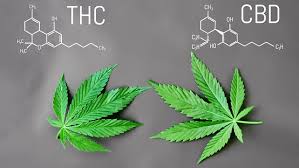
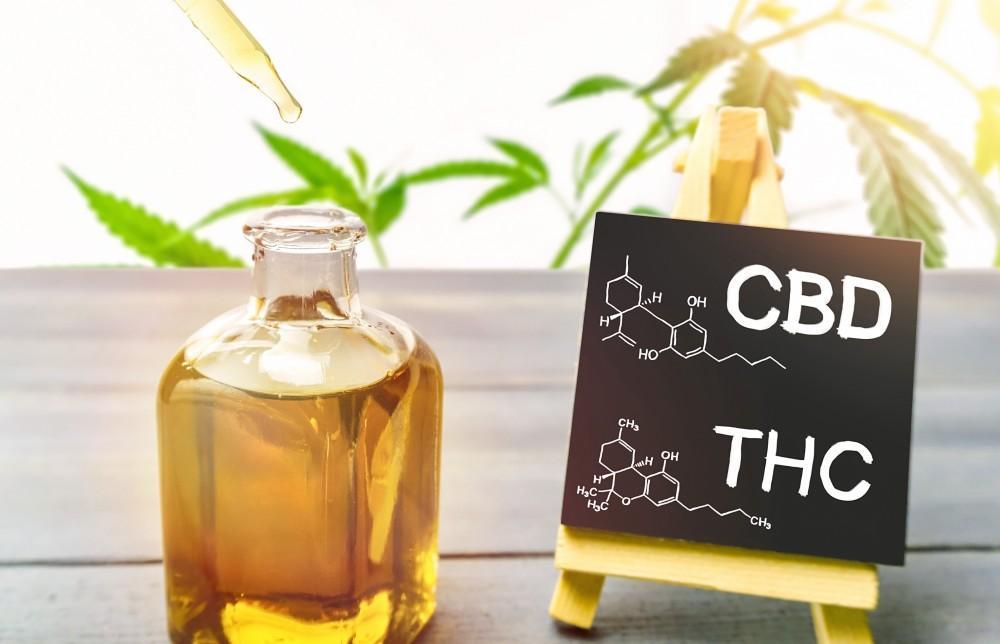
While THC and CBD have similar chemical structures, they differ dramatically in their mechanisms of action and effects on brain function .
🧠 How They Work: The Endocannabinoid System
To understand CBD and THC, you first need to know about the endocannabinoid system (ECS) — a unique communications system in the brain and body that affects many important functions including:
-
Mood
-
Memory
-
Sleep
-
Appetite
-
Pain sensation
The ECS is made up of natural molecules (endocannabinoids) and the receptors they interact with. It’s thought that medicinal cannabis can treat various illnesses by acting on this system .
How THC Works
THC acts on specific receptors in the brain known as cannabinoid or CB1 receptors. This binding action is what gives THC its psychoactive effects the feeling of being “high.” THC has a high affinity for these receptors, which is why its effects are so noticeable .
How CBD Works
CBD, by comparison, has less affinity for CB1 and CB2 receptors. Instead, it works to partly block receptor activity and inhibits the uptake of anandamide (an endocannabinoid), thus increasing its concentration in tissues . CBD has also been identified as a serotonin receptor (5-HT1A) agonist, which may be the basis of its purported anxiolytic (anti-anxiety) and antipsychotic actions .
⚡ Key Differences at a Glance
| Feature | THC | CBD |
|---|---|---|
| Psychoactive | Yes—produces a “high” | No—does not produce a “high” |
| CB1 Receptor Affinity | High | Low (acts as antagonist) |
| Common Uses | Pain, nausea, muscle spasms, appetite stimulation | Seizures, anxiety, inflammation, psychosis |
| Side Effects | Euphoria, drowsiness, confusion, anxiety (at high doses) | Generally well-tolerated; mild drowsiness, appetite changes |
| Driving Impact | May cause positive roadside drug test | No evidence of driving impairment |
| Legal Status (Australia) | Schedule 8 (controlled drug) | Schedule 4 (prescription only) or Schedule 3 (pharmacist-only for low-dose) |
💊 Therapeutic Uses: THC vs CBD
THC (Tetrahydrocannabinol)
THC is the chemical responsible for the psychotropic effects of cannabis and is the reason cannabis is used recreationally . However, THC also has significant therapeutic properties:
| Condition | Evidence |
|---|---|
| Chronic pain | Effective at relieving chronic pain, particularly neuropathic (nerve) pain |
| Chemotherapy-induced nausea and vomiting | Evidence supports use after standard treatments have failed |
| Multiple sclerosis spasticity | Some evidence for pain and spasticity symptoms |
| Appetite stimulation | May improve appetite in palliative care |
| Sleep | May improve sleep in certain conditions |
A Canadian retrospective cohort study found that increased THC:CBD ratio was associated with greater response for:
-
Neuropathic pain (odds ratio: 3.58)
-
Insomnia (odds ratio: 2.93)
-
Depressive symptoms (odds ratio: 1.63)
CBD (Cannabidiol)
CBD has medicinal properties but cannot make the user feel ‘high’ . It has been the subject of increasing research interest:
| Condition | Evidence |
|---|---|
| Epilepsy | CBD reduces seizure frequency in Dravet syndrome and Lennox-Gastaut syndrome . Epidyolex (CBD) is TGA-approved and PBS-listed for these conditions . |
| Anxiety | May have anxiolytic effects through 5-HT1A receptor activity |
| Psychosis | Emerging evidence for antipsychotic effects |
| Inflammation | CBDA (CBD acid) appears promising as an anti-inflammatory substance |
| Pain | Evidence less robust than THC; may work best in combination with THC |
Important: A study into fibromyalgia pain showed that the combination of CBD and THC had better effect on pain reduction than THC alone. Conversely, CBD alone had no effect on pain .
The Ideal THC:CBD Ratio
One of the most common questions patients ask is: “What THC:CBD ratio is right for me?”
The answer depends entirely on your condition, symptoms, and individual response. Research suggests:
| Ratio | Best For |
|---|---|
| High THC, Low CBD | Neuropathic pain, insomnia, nausea, appetite stimulation |
| 1:1 Balanced (50% THC, 50% CBD) | Anxiety symptoms—showed an inverted U-shaped curve with maximal benefit at this ratio |
| High CBD, Low THC | Epilepsy, anxiety (without psychoactive effects), patients sensitive to THC |
| CBD Only | Childhood epilepsy, patients who cannot tolerate any psychoactive effects |
However, it is still difficult to say which THC:CBD ratio is the most ideal for a specific medical condition, as individual responses vary . The ultimate medicinal effect of cannabis does not depend solely on CBD or THC terpenes (aromatic compounds) also play a role in what is known as the “entourage effect” .
Important: CBD, THC and Driving
This is a critical consideration for Australian patients:
-
THC: In all Australian states and territories except Tasmania, it is unlawful to drive with any detectable THC in your system even if prescribed for medicinal purposes. There is no medical defence.
-
CBD: Studies have found no evidence that CBD negatively affects driving behaviour on its own . However, when using CBD and driving, it is important to avoid combining CBD with THC, as THC-containing products will show up on roadside drug tests.
Side Effects
Common Side Effects of THC
-
Drowsiness and sedation
-
Dizziness
-
Confusion
-
Anxiety and paranoia (at high doses)
-
Dry mouth
-
Increased appetite
-
Memory impairment
Common Side Effects of CBD
CBD is generally well-tolerated. Possible side effects include:
-
Sleepiness / drowsiness
-
Changes in appetite
-
Diarrhoea
-
Fatigue
-
Irritability
-
Elevated liver enzymes (with high doses, requires monitoring)
CBD may also cause side effects if it interacts with other medicines . There are significant interactions between CBD and anti-seizure medications including sodium valproate, clobazam, and lamotrigine .
Legal Status in Australia
THC-Containing Products
-
Schedule 8 (controlled drug)
-
Prescription-only
-
Stricter regulatory controls
-
Requires TGA approval (SAS or Authorised Prescriber)
CBD-Only Products
-
Schedule 4 (prescription only) for most products
-
Schedule 3 (pharmacist-only) for low-dose CBD (≤150mg daily dose, ≥98% CBD, <1% THC)
-
Available by prescription or (for low-dose) from pharmacists after consultation
Both THC and CBD products must be prescribed by a registered medical practitioner. Patients cannot personally import medicinal cannabis products .
Forms of Medicinal Cannabis
Medicinal cannabis products come in many forms :
| Form | Typical Use |
|---|---|
| Oils | Most common; taken orally, precise dosing |
| Capsules | Convenient, consistent dosing |
| Dried flower | For vaporisation only (smoking not recommended) |
| Oro-mucosal sprays | Fast absorption under the tongue |
| Topicals | Creams and balms for localised relief |
Note: Smoking medicinal cannabis is not recommended by health authorities. It’s difficult to track dosage and smoking damages the lungs
