
Category Archives: Pain killer drugs
Pain Management Options at Auscare Store
Sydney Medicinal Cannabis & Wellness Dispensary
Understanding Pain Management with Medicinal Cannabis
At Auscare Store, we recognize that chronic pain affects millions of Australians, impacting quality of life, mental health, and daily functioning. As a licensed Sydney dispensary, we provide access to TGA-approved medicinal cannabis products for eligible patients with valid prescriptions, offering an additional tool in the comprehensive management of persistent pain.
What Is Chronic Pain?
Chronic pain is pain that persists beyond the normal healing time typically lasting three months or more. Unlike acute pain, which serves as a warning signal for injury, chronic pain can continue long after the initial cause has healed.
Common Types of Chronic Pain Treated with Medicinal Cannabis:
Pain Type Description Examples
Neuropathic Pain Pain caused by damage to the nervous system Diabetic neuropathy, post-herpetic neuralgia, nerve injury
Musculoskeletal Pain Pain affecting muscles, bones, and joints Chronic back pain, neck pain, arthritis, fibromyalgia
Cancer-Related Pain Pain from tumours or treatment side effects Metastatic bone pain, chemotherapy-induced pain
Visceral Pain Pain from internal organs Endometriosis, interstitial cystitis, IBS
Headache Disorders Chronic, recurring headaches Migraine, cluster headaches, tension headaches
The Science: How Medicinal Cannabis Helps with Pain
The human body has an endocannabinoid system (ECS) a complex cell-signalling system that plays a role in regulating pain, mood, appetite, and memory .
Key Components:
Component Function
Cannabinoid Receptors (CB1, CB2) Found throughout the body; CB1 primarily in the brain and central nervous system, CB2 in immune tissues
Endocannabinoids Naturally produced compounds that bind to cannabinoid receptors
Metabolic Enzymes Break down endocannabinoids after they’ve served their function
How Cannabinoids Interact with Pain:
THC (tetrahydrocannabinol) binds to CB1 receptors in the brain and spinal cord, modulating pain signals and providing analgesic effects
CBD (cannabidiol) influences the ECS indirectly, reducing inflammation and anxiety without psychoactive effects
Combined effects may provide enhanced pain relief through multiple pathways
Evidence for Medicinal Cannabis in Pain Management
A landmark review by the US National Academies of Sciences, Engineering, and Medicine found strong evidence supporting the use of cannabinoids for chronic pain in adults .
Australian Research and Clinical Evidence:
Study/Source Findings
Cymra Life Sciences (Sydney) Phase II clinical trial for chronic musculoskeletal neck and back pain showed a median reduction in pain of 38% using their Cybis formulation. Statistically significant improvements in safety, tolerability, anxiety, sleep, and quality of life were also observed .
Lambert Initiative (University of Sydney) Ongoing research into plant-based cannabinoids for pain, epilepsy, and other conditions .
NSW Government Clinical Trials Investigating cannabis medicines for reducing chronic pain in patients with spinal cord injury and improving symptom control in advanced cancer patients .
Conditions with Strong Evidence:
Chronic pain in adults
Neuropathic pain (nerve pain)
Muscle spasticity in multiple sclerosis
Chemotherapy-induced nausea and vomiting
Conditions with Emerging Evidence:
Arthritis pain
Chronic back and neck pain
Fibromyalgia
Migraine and headache disorders
Medicinal Cannabis Products for Pain
At Auscare Store, eligible patients with valid prescriptions can access a range of TGA-approved medicinal cannabis products, including:
Product Types:
Form Description Typical Use
Oils and Tinctures Liquid extracts taken orally or sublingually Most common form (80% of prescriptions); provides sustained relief
Capsules Pre-measured doses in oral form Precise, consistent dosing
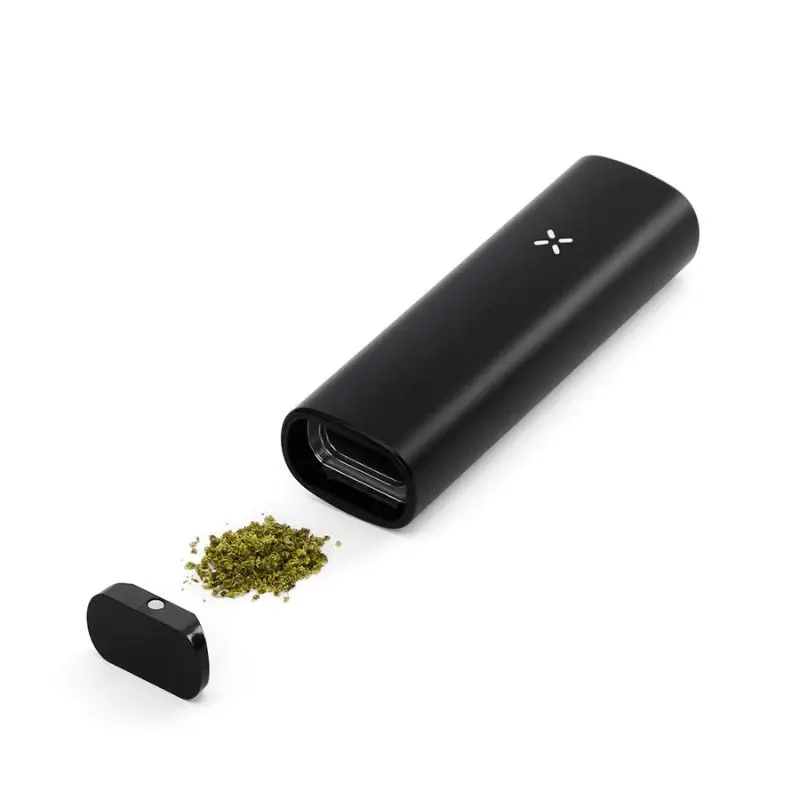
Dried Flower For vaporisation (not smoking) Faster onset for breakthrough pain
Sprays Oromucosal sprays Convenient, controlled dosing
Topicals Creams, balms, and gels Localised pain relief without systemic effects
Cannabinoid Profiles:
Profile Composition Best For
CBD-dominant High CBD, low THC (<0.5%) Daytime pain, inflammation, anxiety
Balanced (THC/CBD) Equal or near-equal ratios Moderate to severe pain, neuropathic pain
THC-dominant High THC, low CBD Severe pain, night-time use, sleep disturbance
The Legal Pathway: Accessing Medicinal Cannabis in Australia
Medicinal cannabis is legal in Australia but strictly regulated. Patients cannot simply walk into a store and purchase products access requires a valid prescription from a registered medical practitioner .
The Process:
Consult a Doctor – Speak with your GP or a specialist clinic about your pain condition
Medical Assessment – Your doctor evaluates your history, previous treatments, and suitability
TGA Approval – Your doctor applies through the Special Access Scheme (SAS) or as an Authorised Prescriber
Prescription Issued – Once approved, you receive a prescription for a specific product
Dispensing – Bring your prescription to a licensed dispensary like Auscare Store
Important: Medicinal cannabis is typically considered only when conventional treatments have been tried and found ineffective or unsuitable .
Is Medicinal Cannabis Right for Your Pain?
Who May Be Suitable:
Patients with chronic pain not adequately managed by conventional treatments
Those experiencing neuropathic pain (nerve pain)
Individuals with inflammatory conditions like arthritis
Cancer patients with pain, nausea, or appetite loss
Patients seeking to reduce opioid use under medical supervision
Who May NOT Be Suitable:
Patients with unstable heart disease
Individuals with a history of psychosis or schizophrenia
Pregnant or breastfeeding women
Those with severe liver impairment
Patients with a history of substance use disorder (requires careful assessment)
Important Considerations
Driving and Safety
In NSW and all Australian states, it is an offence to drive with any detectable THC in your system even with a valid prescription . Patients using THC-containing products must not drive or operate heavy machinery .
Side Effects
Medicinal cannabis is generally well-tolerated, but side effects can occur, particularly with THC-containing products :
Common Side Effects Less Common
Drowsiness Confusion
Dizziness Hallucinations
Dry mouth Agitation
Fatigue Mood changes
Appetite changes Paranoia (rare)